
Struggling with content that drives traffic but not sales?
You spend hours writing blog posts, social updates, and downloadable guides, only to watch visitors leave without taking the next step. That frustration kills momentum and wastes your best ideas.
Here’s the solution: follow a simple, step‑by‑step content marketing funnel that leads readers from their first click to becoming loyal customers. You’ll know exactly what to do at each stage, and you’ll never have to rush around fixing mistakes again.
In this article, you’ll learn how to attract your ideal audience, nurture prospects with value, seal the deal with compelling offers, and keep customers coming back. You’ll also get the exact metrics to track at each stage and learn how to avoid the most common funnel pitfalls. Ready to turn readers into buyers? Let’s dive in.
What Is a Content Marketing Funnel?
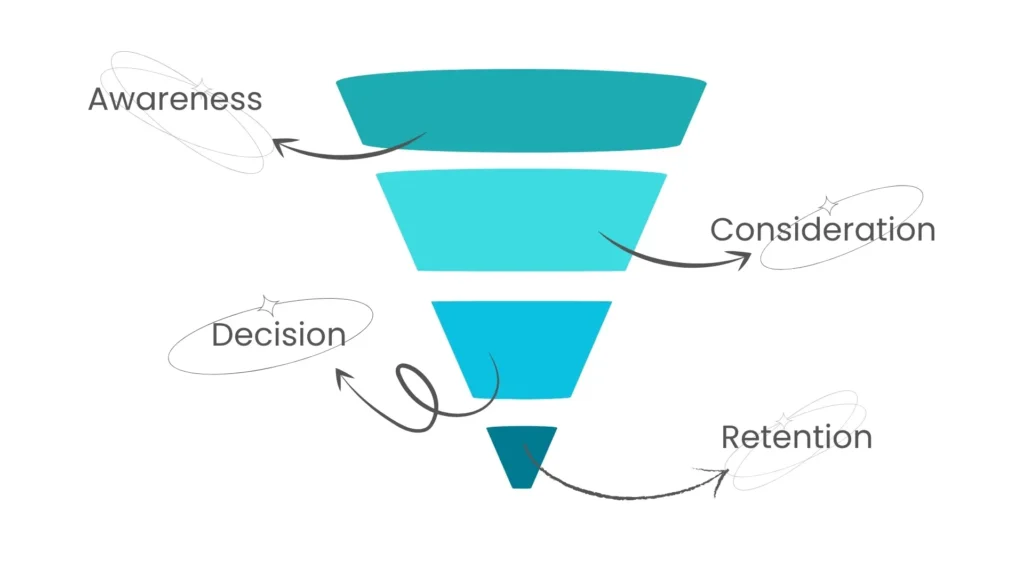
A content marketing funnel is the roadmap that guides prospects from their first interaction with your brand all the way to becoming loyal customers. It breaks down the buyer journey into clear stages so you can deliver the right content at the right time.
Here is why mapping your buyer journey pays off: when you know exactly where prospects drop off, you can fix leaks, boost engagement, and move more readers toward your offers.
Quick Win: Audit your latest blog post series. Identify which posts get traffic but no conversions, and add a clear next step at the end of each one.
The Four Stages of Your Content Marketing Funnel
Imagine a system that gently guides every reader from first glance to happy customer. That is exactly what a well‑built content marketing funnel does if you know how to use it.
Stage 1: Awareness: Cast a Wide Net
First, you need to grab people’s attention and make them curious. Think about who you’re writing for and what questions they have. Do a quick keyword search to see what topics are popular. Then write blog posts that answer those questions and give your readers something useful they can take away.
Next, expand your reach by:
- Sharing bite‑sized insights on LinkedIn and Twitter with a link back to your full post
- Publishing guest articles on industry blogs to tap into established audiences.
- Partnering with influencers or micro‑creators for co‑authored content.
- Repurposing long‑form posts into short videos or infographics to meet different consumption habits.
Why does this stage matter? Building a larger pool of engaged prospects gives you more opportunities to guide people further down the funnel. More eyeballs on your content means more chances to convert.
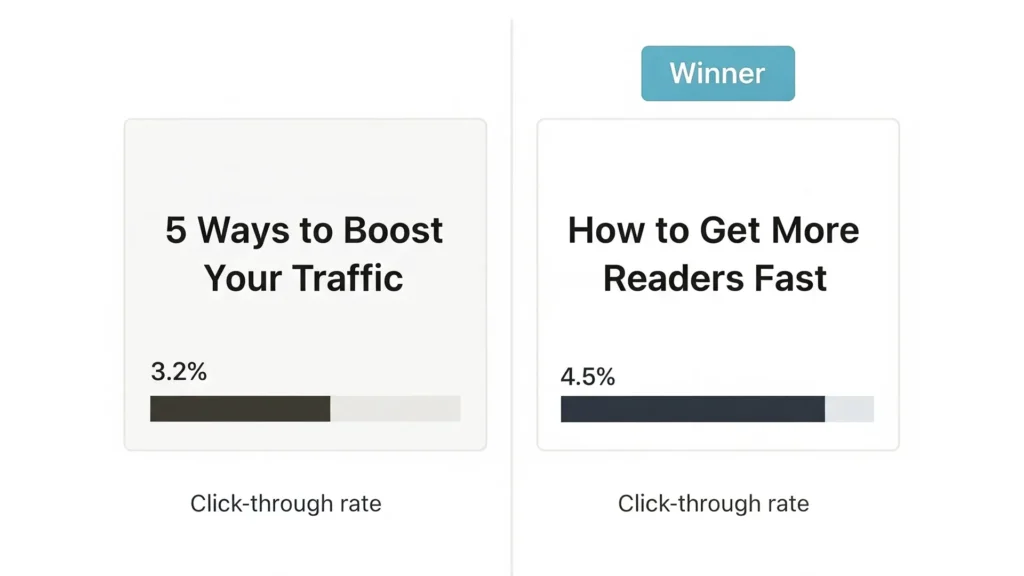
Insider Insight: Research shows that eye-catching headlines can boost click-through rates by about 20 percent. Test two versions on your social channels and double down on whichever one performs best.
Stage 2: Consideration: Nurture with Value
Once you have their attention, it’s time to deepen interest and build trust.
Start by offering content that goes beyond the basics:
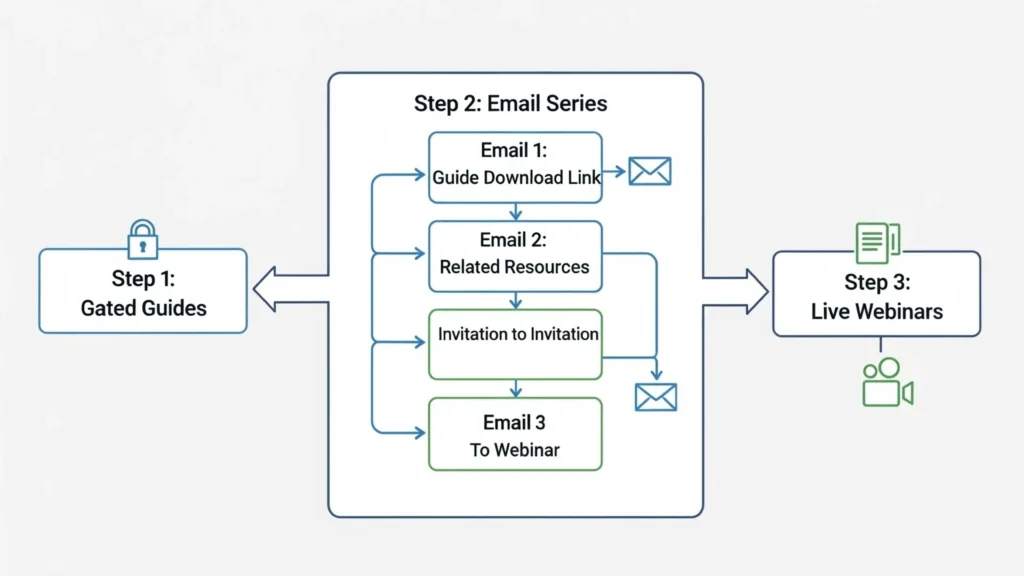
- Gated guides that address specific pain points in detail.
- Email series that deliver bite‑sized insights over a few days.
- Live webinars or on‑demand workshops to demonstrate your expertise.
Personalize your approach by segmenting your list based on behavior or interests. For example, send different follow‑up emails to those who downloaded a guide versus those who attended a webinar. Include clear calls to action in each piece of content, and invite them to book a demo or explore a case study.
Why does this stage pay off? Because prospects who receive tailored value feel understood and are more likely to move closer to a purchase.
Pro Tip: A three-email drip sequence that introduces the problem, shares a success story, and ends with an invitation to chat often yields the highest open rates.
Stage 3: Decision: Seal the Deal
Now that prospects trust you, give them the proof and assurances they need to say yes. Start by showcasing real-world results with:
- Case studies that highlight the challenge, your solution, and measurable outcomes.
- Product demos or walkthrough videos that let prospects experience your offering firsthand.
- Free trials or limited-time pilots so they can test value with no risk.
In each asset, address common objections up front. For example, include a section in your case study on how you handled integration or support. Add clear calls to action like “Start your free trial” or “Schedule a one-on-one demo” so prospects know exactly what to do next.
Why does this stage matter? Because social proof and hands-on experience remove the final barriers to purchase. When prospects see results from peers and try your solution themselves, they feel confident to buy.
Insider Hack: Use a template that combines a client quote, key metrics, and a snapshot of your solution in action. Swapping in new data takes minutes and keeps your case studies fresh.
Stage 4: Retention: Keep Them Coming Back
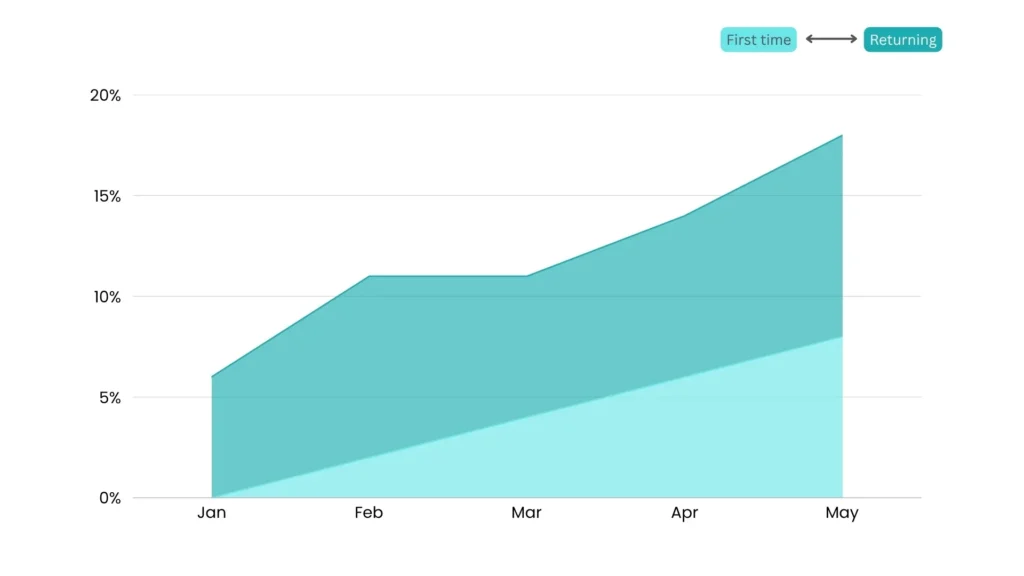
This stage is about turning first-time buyers into long-term fans. Once someone makes a purchase, the real work begins, so you can boost lifetime value and build brand advocates.
Start by delivering on your promises with outstanding post‑purchase content:
- Loyalty emails that thank customers and offer exclusive tips or insider access.
- Member-only webinars or workshops that deepen their use of your solution.
- Private communities or forums where customers can connect and share best practices.
- Referral programs that reward advocates for introducing new prospects.
- Feedback surveys to show you care and gather insights for improvement.
Why do these tactics matter? Repeat buyers cost less to market to and spend more over time. A solid retention strategy can increase customer lifetime value by up to 30 percent when done right (Insert chart showing uplift from repeat purchases).
Next Step: Send a thank you email within 24 hours of purchase that includes a quick start guide and an invitation to join your customer community.
Build and Refine Your Funnel Playbook
Ready to bring it all together into a repeatable system? This playbook walks you through planning, tracking, and fine‑tuning your funnel so you get real, lasting results.
Step‑by‑Step Funnel Checklist
Download the worksheet and work through each step:
- Define your ideal reader persona and target keywords.
- Match each piece of content to the right stage of your funnel.
- Add a clear call to action in every post or email so readers know exactly what to do next.
- Link analytics goals to each stage (e.g., page views, downloads, demo requests).
- Schedule a review cadence (weekly or biweekly) to update assets.
Action Plan: Grab your free funnel worksheet to document every step and assign owners for each task.
Measure and Optimize Your Funnel
Track these core metrics at each stage:
Awareness
- Page views: It means how many times people land on your content. If that number is low, try freshening up your headlines or sharing your post in new places.
- Social shares: It shows how often readers pass your post along on LinkedIn, Twitter, or elsewhere. More shares mean your content is hitting a chord and reaching new eyes.
- Click-through rates: It shows the ratio of people who click your links versus those who see them. A low rate can mean your call to action or headline needs tweaking.
Consideration
- Guide downloads: How many people hand over their email to get your in‑depth resource? If downloads are lagging, check that the offer matches your audience’s top questions.
- Email open rates: The percentage of subscribers who open your messages. Dull subject lines or bad timing can drag this number down.
- Webinar attendance: The share of registrants who actually show up. A big drop‑off may signal you need better reminders or a more compelling topic.
Decision
- Demo requests: How often do potential customers ask to see your product in action? A few requests might mean your earlier content didn’t build enough trust.
- Trial activations: The count of people who sign up for a free trial. If activations are low, look at how easy it is to get started or whether your messaging sets clear expectations.
- Conversion rate: The percentage of trial users or demo leads who become paying customers. A small gap here is your chance to refine pricing, onboarding, or follow‑up.
Retention
- Repeat purchase rate: How many customers come back for a second order? Low repeat rates suggest you need to improve post‑purchase support or offer new incentives.
- Referral sign‑ups: How many existing customers refer friends or colleagues? Referrals are a key growth driver and show that your product really delivers.
- Customer satisfaction scores: Ratings from surveys or feedback forms. Keeping these high means you’re listening to your customers and continuously improving.
Why does this insight pay off? Tracking these numbers lets you see exactly where readers stall so you can plug the leaks and keep your funnel flowing smoothly.
Data Dive: Use tools like Google Analytics, HubSpot, or Marketo to automate tracking and build a live dashboard.
Top 3 Funnel Pitfalls and How to Avoid Them
Pitfall 1: Overloading Prospects Too Soon
New leads are excited when they opt in, but if you send too much content at once, they will tune out or unsubscribe.
- Action: Space your nurture emails over 7 to 10 days, starting with a welcome message, then sending deep dive insights, and ending with an invitation to chat.
- Heads Up: A rapid-fire sequence might feel pushy. Instead, give readers time to digest each piece and build anticipation for the next.
Pitfall 2: Under-Segmenting Your Lists
Treating every subscriber the same wastes the chance to speak directly to their needs. A guide downloader (someone who downloaded an ebook) often has different questions than someone who joined a webinar.
- Action: Split subscribers by how they joined (guide vs webinar) or what they viewed, then tweak subject lines and CTAs for each group.
- Caution: Generic follow-ups can feel irrelevant. By sending targeted offers or resources, you will see higher engagement and faster movement through the funnel.
Pitfall 3: Skipping A/B Tests on Key Assets
Relying on your very first headline, email subject line, or call to action without testing alternatives means you’re overlooking simple changes that could dramatically boost your results.
- Action: Before launching a new blog headline, email subject line, or landing page button, run an A/B test on 10 to 20 percent of your traffic.
- Pro Insight: Swapping a single word in your call to action can boost click-through rates. Make A/B testing those variations a routine part of your process rather than an afterthought.
Quick Reminder: Fixing these common missteps early keeps your funnel fluid, your metrics climbing, and your ROI growing.
Final Thoughts
You now have a clear roadmap for turning readers into customers, casting a wide net to attract the right audience, nurturing prospects with valuable content, sealing the deal with proof and hands‑on experiences, and keeping buyers coming back for more. Follow each stage, track the right metrics, and avoid common pitfalls, and you will see your content begin to pay dividends.
At Prolific Logic, we partner with teams to build funnels that convert reliably and scale efficiently. Ready to see how your funnel measures up? Schedule a free audit today and let us help you turn your best ideas into predictable revenue.
FAQs
What is a content marketing funnel?
A content marketing funnel maps each piece of content to a stage in the buyer journey so you can guide prospects from first contact to loyal customer.
How long does it take to see results from a content marketing funnel?
You can expect to see improved engagement and conversions within three to six months of consistent implementation and optimization.
Do I need marketing automation to run a successful content marketing funnel?
Yes. Automation tools ensure the timely delivery of content, accurate tracking of engagement, and prevent leads from slipping through the cracks.
What metrics matter most in a content marketing funnel?
Track page views and click-through rates at awareness, guide downloads and email open rates at consideration, demo requests and conversion rates at decision, and repeat purchase rate at retention.


