
Why isn’t your content bringing in the right leads or any leads at all?
You’ve done the work: writing, editing, and filming. But the traffic? Still flat. Or it jumps for a bit, then drops off. It’s exhausting.
Let’s be honest: Most people keep publishing because they feel like they have to. But without a clear plan, content doesn’t do much. If you want results, you need to know what actually makes content work. And no, “just write better” isn’t the answer.
This guide breaks it all down. We will walk through the pieces that matter most, from planning and knowing your audience to getting SEO right, telling stronger stories, and tracking what is actually working.
Whether you’re starting fresh or trying to fix content that isn’t working, this will show you what matters and what you can stop wasting time on.
Let’s get into it.
What Makes Content Marketing Succeed Today?
Content marketing has changed. What worked five years ago, like stuffing blog posts with keywords or boosting every post with paid ads, just doesn’t work anymore. Search engines are smarter. Audiences are pickier. And competition is nonstop.
To win today, you need more than content. You need direction.
This is where the real difference starts. The right pieces—done right—can help your content get noticed, feel more genuine, and lead to something. Whether you’re trying to earn trust, grow your audience, or get more leads, it all works better when the basics are in place.
And it all starts with your content strategy.
Start With a Solid Content Strategy Framework
Without a strategy, your content gets ignored. You might get lucky now and then, but consistency?
That comes from planning.
A good content strategy stops guessing. It helps you decide what to create, who it is for, and how to tell if it is working. With a plan, your team stays focused, your message remains consistent, and every piece of content moves the business forward.
Example path: Brand awareness → Thought leadership blog → Organic traffic growth.
Problem example: Not all content needs to chase awareness. Try this path: Customer retention → Educational videos → Reduced support tickets. Short how-to videos that solve common user problems lower support volume and improve retention. That ties content directly to revenue and cost savings.
Alternate example: Lead quality → Targeted comparison guides → Higher demo requests. Comparison guides filter low-intent visitors and attract prospects who are ready to talk to sales.
Try This
Build a one-page strategy map:
- Set 1–2 content marketing goals (for example, lead generation, authority).
- List the content types that support each goal (for example, blog posts, short videos, guides, or email sequences).
- Map at least one problem path per goal (for example, Customer retention → Educational videos → Reduced support tickets).
- Define one simple success metric per path (for example, support tickets down 20 percent or demo requests up 15 percent).
- Assign an owner and a 30/60/90 day review date for each path and pick one tracking tool.
It’s how you make sure every piece of content actually means something.
Nail Your Audience Targeting Techniques
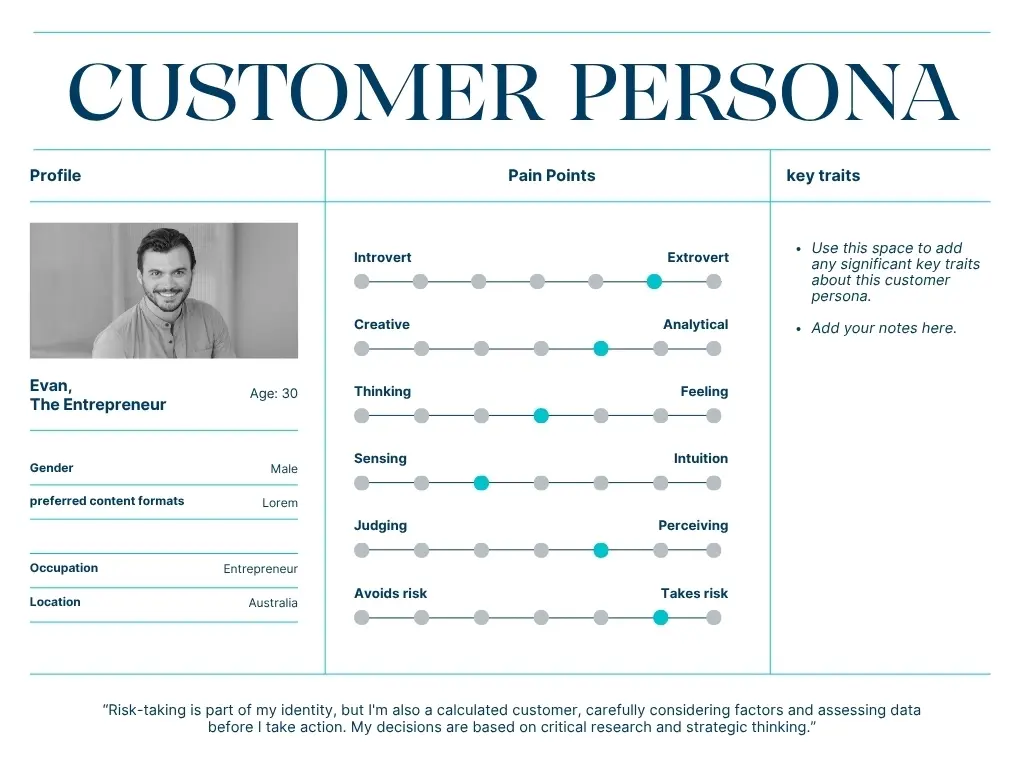
You can’t create content that connects if you don’t know who you’re trying to reach.
The best content marketers use audience targeting techniques to get inside their ideal customers’ world.
That means: Defining specific buyer personas, understanding pain points, and creating tailored content that speaks directly to them, not just to a generic group.
Why does it work? Generic content gets ignored. Targeted content builds trust, answers real questions, and drives action. When readers feel like you “get” them, they stick around and they convert.
Content Mistake Alert
Writing for everyone means you will reach no one. Choose one clear persona per piece and speak their language to avoid this trap.
Quick Wins for Better Targeting
- Use analytics tools to see who’s already engaging with your content.
- Talk to sales or customer service to know real user questions.
- Use platforms like SparkToro to dig into audience behaviors and preferences.
When you target the right people, the rest of your strategy becomes 10x more effective.
Create High-Quality, SEO-Friendly Content
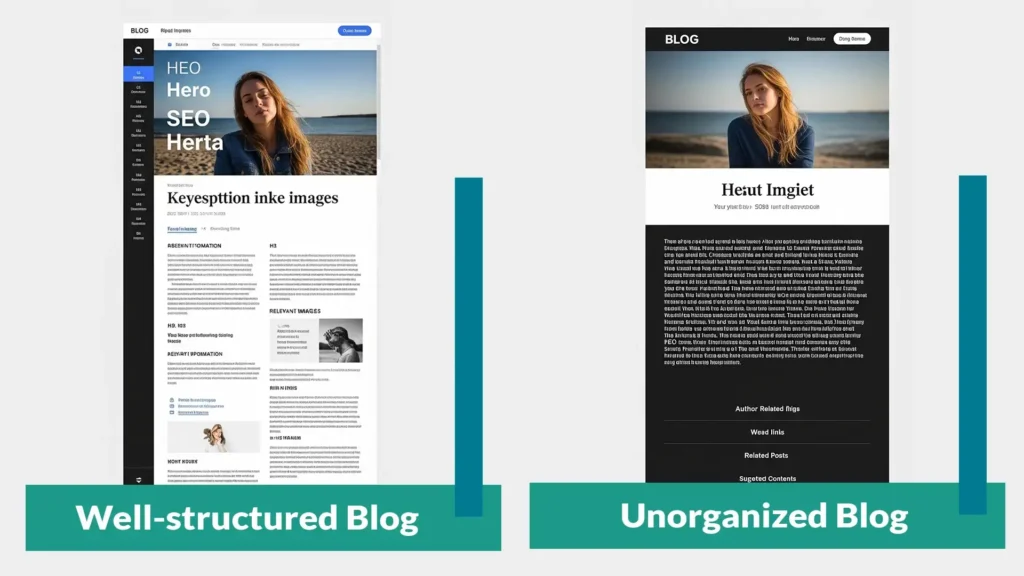
You can write the most brilliant piece in your industry, but if no one finds it, it’s worthless. That’s why high-quality content creation must go hand in hand with SEO friendly content structure.
Your content needs to answer real questions, provide unique value, and be structured in a way that both humans and search engines can understand. That includes smart use of keywords, proper headings, clean URLs, alt text for images, and internal links.
How does it help you? SEO brings traffic. Quality keeps them there. And when your content checks both boxes, it doesn’t just rank. It converts.
Pro Insight: Google’s algorithms reward both quality and structure. Even great writing can fail if it’s not organized in a way that helps search engines and readers find and understand the key information.
Tips for Writing SEO-Friendly, High-Quality Content
- Start with a clear headline that includes your main keyword.
- Use short paragraphs, bullets, and headings to break up text.
- Add internal links to relevant blog posts or pages.
- Avoid keyword stuffing. Use terms naturally, including your LSI keywords.
The goal isn’t to “beat the algorithm.” It’s to align with it while giving your audience real value.
Distribute Content Through the Right Channels
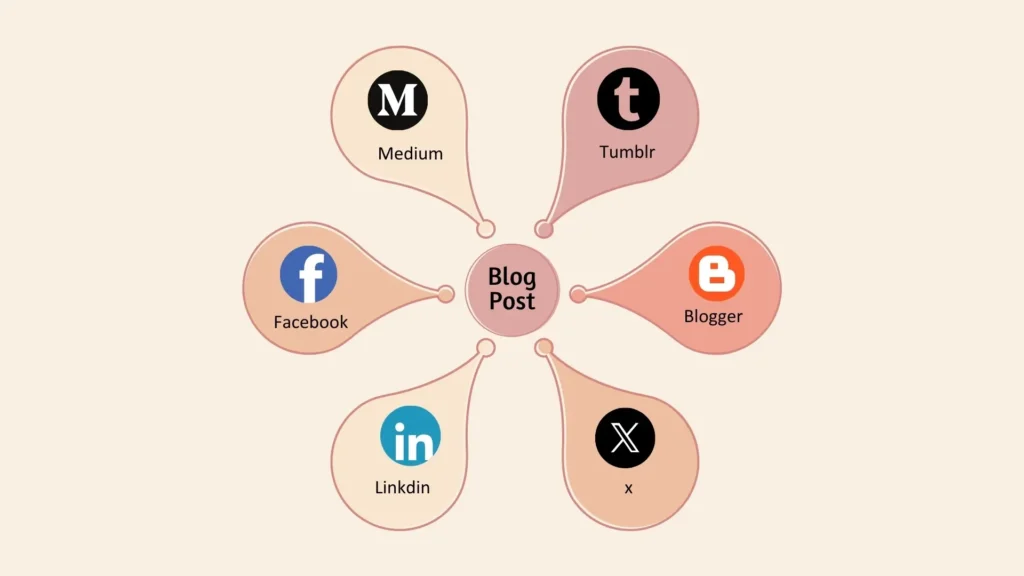
Creating great content is only half the job. If you’re not distributing it properly, most of your audience will never see it.
This is where content distribution channels come in. Think of them as delivery systems like email lists, social media, guest blogs, video platforms, or even your own sales team. A smart distribution plan ensures your content reaches people where they already spend their time.
What does this do for you? Even the best content needs a push. Distribution multiplies your content’s visibility, reach, and Return on Investment (ROI) without needing to create more from scratch.
Try This
Turn one blog into four formats:
- LinkedIn post: Summary plus one poll question to spark engagement.
- 30-second Instagram Reel: Lead with the key insight, add captions, and one strong CTA.
- Email teaser: One sentence hook, two bullet takeaways, and a link to read more.
- Slide deck (5 slides): Use for sales calls or a webinar teaser with a downloadable link.
This helps your content go further without starting from scratch.
Don’t Skip Owned Media
A lot of businesses focus too heavily on social media or paid ads and ignore what they own:
- Your email list.
- Your website.
- Your blog archive.
- Your customer portal.
These are gold. Use them.
Hook with Engaging Storytelling
People don’t remember data. They remember stories.
People remember stories, not stats. Share a real challenge, a simple win, or something honest from behind the scenes. That’s what makes your content stick. Even B2B buyers respond to human stories.
Why does this work? Story-driven content keeps people reading. It forms emotional connections that logic alone can’t. And when your audience feels something, they’re more likely to act.
Note: Even in B2B, stories make content memorable. A real example of someone solving a problem with your help is way more powerful than a list of product features.
Quick Story Framework: The P.A.R. Framework (Problem-Action-Result)
- Problem: Start with a challenge your audience relates to.
- Action: Show how someone struggled, then took a specific action.
- Result: End with the clear outcome they achieved.
Short example:
- Problem: A small design agency was losing proposals because clients could not see the project value.
- Action: The agency started adding a one-before-and-after case slide to every pitch and a one-minute client story video.
- Result: Proposal win rate rose 18 percent in three months, and average project size increased.
This works in blogs, emails, videos, and anywhere you want attention and impact. Now that your content has emotional pull, let’s talk about how to measure its real impact.
Track the Right Performance Metrics
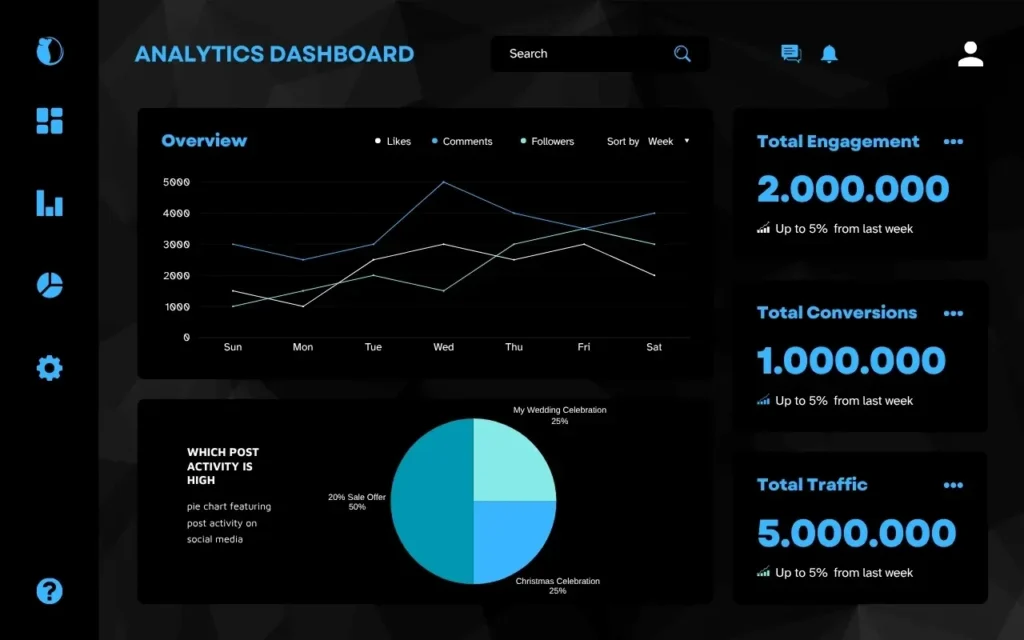
Publishing content without tracking results is like launching a rocket with no radar. You won’t know what worked, what missed, or where to go next.
To improve, you need to monitor the performance metrics for content that reflects your goals. That could be traffic, time on page, email signups, or conversions, depending on what you’re aiming for.
How does it help? Metrics reveal what content your audience loves, skips, or converts on. They guide smarter decisions and help you focus your energy where it counts.
Reminder: What you track shapes what you create next. If your best-performing content is how-to guides, do more of them. If video outperforms text, lean into it. Let the data lead you.
Must-Track Content Metrics
- Traffic (Google Analytics).
- Engagement (scroll depth, comments, shares).
- Conversion rates (form fills, purchases, demo requests).
- Bounce rate and time on page (Are they actually reading?).
For setup guidance, check out Google’s Search Essentials for tips on making your content easier to find and track.
Once you have tracking in place, your content strategy turns into a cycle where you learn what works, improve it, and keep growing instead of just guessing and hoping.
Final Thoughts
Great content marketing isn’t about luck, volume, or flashy graphics. It’s about building each piece with purpose, knowing your audience, solving real problems, telling better stories, and tracking what works.
If you focus on these key elements of successful content marketing, your content won’t just fill space; it will drive results.
At Prolific Logic, we help businesses like yours connect the dots between strategy, execution, and ROI. Want a second opinion on your current content game? We’re here when you’re ready.
FAQs
What are the key elements of successful content marketing?
They include a clear strategy, audience targeting, SEO-friendly content, engaging storytelling, smart distribution, and performance tracking.
Why is a content strategy framework important?
It connects your business goals to your content, so you create with purpose instead of just posting without a plan.
How do you measure success in content marketing?
Track performance metrics for content like traffic, engagement, conversions, and time on page to see what’s working.
What are the best content distribution channels?
Your website, email list, social media platforms, guest blogs, and video channels. Anywhere your audience already spends time.
Does storytelling help with content marketing?
Yes. Engaging storytelling builds emotional connection, which increases trust, time on page, and conversions.


