Why should dentists invest in SEO?
SEO is more important than ever for dental practices. Every month, thousands of potential patients search online for a new dentist, but most never scroll past the first page. If your clinic’s website hides on page two of Google, you’re leaving chairs empty and revenue on the table.
Imagine someone in pain right now typing “emergency dentist near me” and never finding you. That is a missed opportunity you can’t afford.
In this article, you’ll discover proven dental SEO marketing strategies that boost visibility and patient calls. We’ll cover local SEO for dentists, on‑page best practices, content ideas that draw readers, and how to measure dental SEO ROI.
Let’s turn your practice website into a patient‑attracting machine.
Why SEO Matters for Dentists
Most people reach for Google when they need a dentist. They search terms like “emergency dentist near me” or “best dental clinic in [your city].” Since 46 percent of all Google searches have local intent, your practice must appear in those results to capture ready‑to‑book patients.
Ranking on page one can drive up to 27.6 percent of all clicks, according to Oregon State University research. Pages two and beyond capture a tiny fraction of traffic, since most users rarely navigate past the first page.
Effective SEO ensures your website and Google Business Profile clearly signal relevance and trust to both searchers and Google’s algorithms.
Complete every section of your Google Business Profile with accurate hours, service details, and high‑quality photos. Add posts about special offers or new treatments to keep your listing fresh and engaging.
Insight: According to Think with Google, 76 percent of consumers who search locally on their smartphone visit a business within a day. Optimizing for local SEO means turning searches into real‑world appointments.
Top Dental SEO Marketing Strategies
Before diving into tactics, remember this: SEO is more than keywords. It is about matching your practice to a patient’s needs at the exact moment they search. Nail these strategies and you’ll turn browsers into booked appointments.
Keyword Research for Dental Practices
Identify the phrases your potential patients use, such as “dental emergencies near me” or “dental website SEO best practices.”
Use those terms in your page titles, headers, and naturally throughout your content. This matters because you connect directly with people who are ready to book.
Pro Tip: Use Google Keyword Planner to spot rising search terms in your area.
On-page SEO Best Practices
Optimize every page on your site. Include your focus keyword in the title tag, URL, and first paragraph. Sprinkle related terms like “dental SEO marketing strategies” and “how SEO helps dentists attract new patients” in subheadings and image alt text. Search engines will better understand your pages, and patients will find answers faster.
Note: Keep URLs concise and descriptive, for example, yoursite.com/dental-seo-guide rather than a long string of numbers.
Content Structure and Site Architecture
Organize services into clear categories like “Preventive Care” or “Cosmetic Dentistry.” Keep your menus and folder structure simple so visitors and search engines can navigate easily. A logical structure lets you rank for multiple keywords and improves the overall user experience.
Quick Tip: Add breadcrumb navigation on every page. It guides patients through your site and helps search engines map your hierarchy more accurately.
Get Found Locally with SEO Strategies for Dentists
Imagine a new family moving in and searching for a dentist near them. If your practice does not appear in the local map pack, you miss out on those ready‑to‑book patients.
Google looks for consistent name, address, and phone info across the web. Make sure your details match exactly on your website, Google Business Profile, and any community or health portals you control. Nearly half of all searches include “near me,” so this consistency is key.
Heads Up: Ask happy patients to leave reviews on your Google Business Profile and reply to their feedback. Fresh, positive reviews boost your local rankings and build trust.
On your website, create dedicated service‑area pages on your website for each suburb you serve. Include local landmarks or community events to show relevance. This approach helps Google connect your practice to local searches and turns web visits into real appointments.
For a government‑backed guide on building a site that ranks locally, see the SBA’s “5 Essential Pages for Your Small Business Website.”
Content Strategies to Attract New Patients
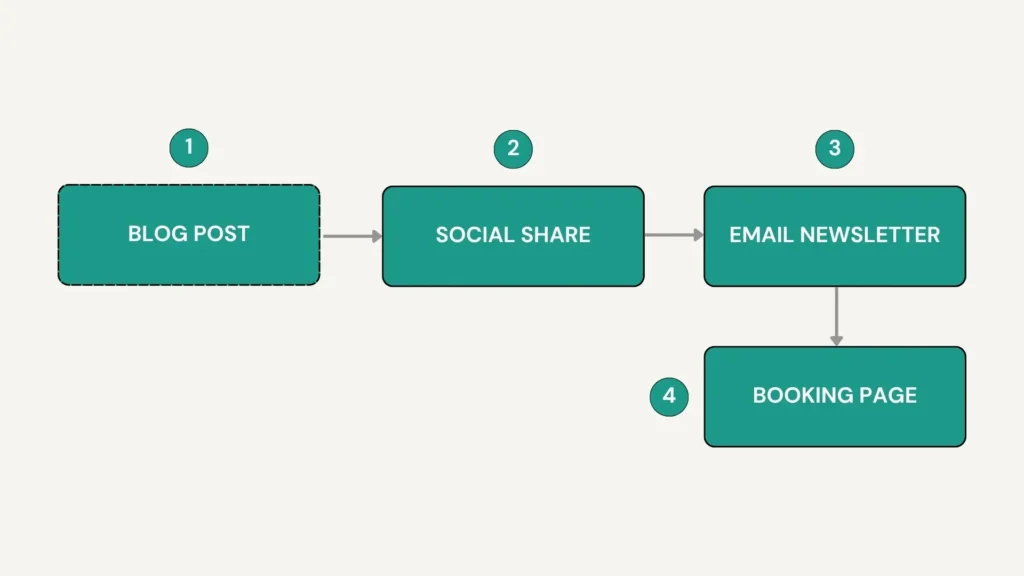
Great content is your 24/7 receptionist. When you answer common patient questions and share useful resources, you establish trust and draw in readers who are ready to book.
Blogging on Common Dental Questions
Write posts that solve real concerns: How to handle a toothache at home or what to expect during a root canal. Use your focus keyword and related terms like “benefits of SEO for dental practices” in headings and naturally in the text. By educating readers, you position your practice as a trusted authority and improve organic rankings.
Insight: Practices that publish educational articles often see 55% higher website traffic and patient engagement compared with those that do not.
Video and Image SEO
Think of videos and photos as friendly invitations to your practice.
Film quick clips offering:
- Home care tips or
- A behind‑the‑scenes tour of your dental practice.
Publish them on your site and YouTube. Add clear titles, descriptions, and transcripts that include terms such as “how SEO helps dentists attract new patients.”
Now for images, give each one a clear caption and alt text that tells people and search engines what’s happening. This simple step helps your visuals show up in searches, bringing more eyes and potential patients to your site.
Note: Embedding patient testimonial clips can increase trust and time on page.
Hiring an SEO Expert for Dentists
Finding the right SEO expert can fast‑track your practice growth. Look for someone who shares case studies showing how they helped similar businesses boost local visibility and attract more patients with targeted dental SEO marketing strategies.
Ask about their approach to on‑page SEO best practices and local SEO for dentists. A solid expert will explain how they optimize your site structure, manage your Google Business Profile, and create content that answers common patient questions.
Key benefit: Working with a specialist means you avoid generic tactics and get bespoke strategies that reflect the nuances of dental website SEO best practices.
Checklist:
- Review client testimonials and case studies in the dental niche.
- Confirm they use transparent reporting for metrics like organic traffic and appointment form submissions.
- Make sure they understand your target service areas and patient demographics.
Measuring Dental SEO ROI
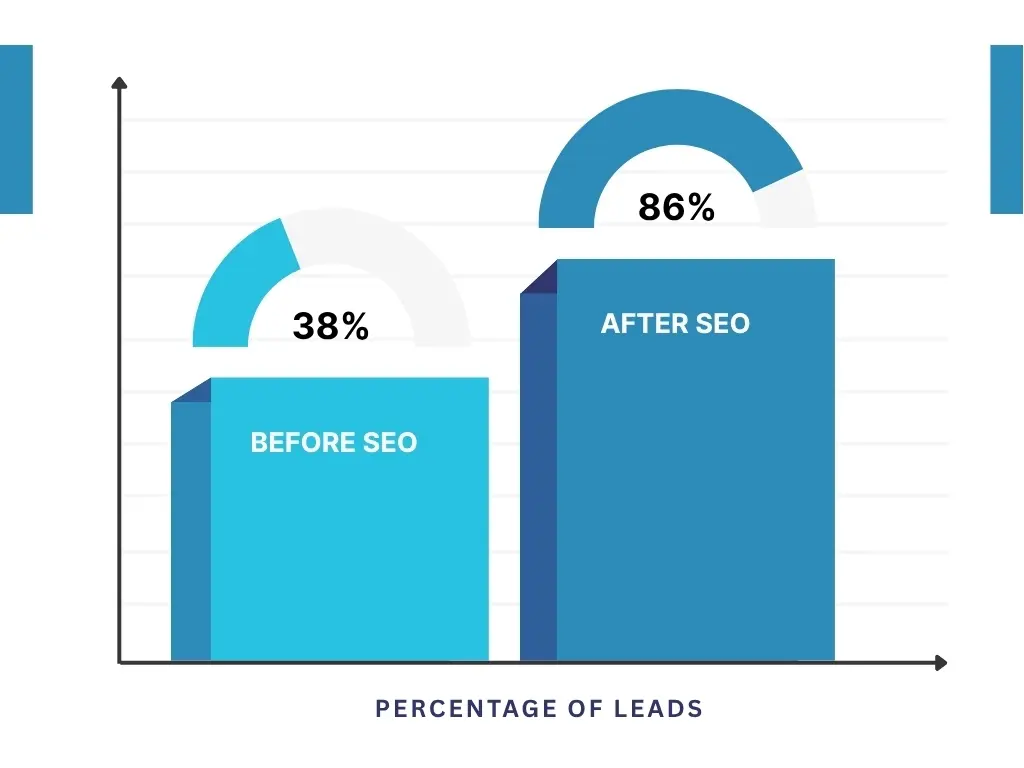
To prove SEO’s value, track the right metrics, tie them to real appointments, and review performance on a regular schedule.
Define your goals and KPIs
- New‑patient calls.
- Online appointment requests.
- Organic website traffic.
- Keyword rankings for your top treatments.
Set up proper tracking
- Use Google Analytics to monitor sessions, bounce rate, and goal completions.
- Implement call‑tracking so every phone call links back to the search term or page.
- Tag appointment form submissions as conversions.
Calculate your ROI
- Formula: ROI (%)= (Revenue from new SEO patients – costs of SEO) ÷ SEO costs × 100
- Estimate average revenue per new patient (for example, $200) and multiply by the number of SEO‑driven appointments.
Benchmark over time
- Compare month 1 vs. month 3 vs. month 6 to spot trends
- Look for rising conversion rates and lower cost per lead
Tip: Schedule a monthly report that shows leads, revenue, and cost per acquisition side by side. Seeing the numbers together makes it easy to justify ongoing investment.
Conclusion
Investing in SEO gives your practice a clear path to steady growth. By showing up where local patients search, sharing helpful content, and fine-tuning your online presence, you turn casual browsers into loyal patients.
At Prolific Logic, we craft tailored SEO plans that speak directly to your community’s needs and bring more appointment requests through your door. Ready to see your schedule fill up? Reach out for a free practice audit and let us help you connect with patients who are already looking for you.
FAQs
What is the best practice for dental website SEO?
A dental website SEO best practice means optimizing your site structure, content, and Google Business Profile to match the terms patients use when searching for care.
How long until dental SEO shows results?
Most dentists start seeing new‑patient leads within three to six months of investing in SEO, although results vary by market and competition.
Do dental practices need SEO in 2025?
Yes. With more patients researching care online, investing in SEO remains essential for practices that want to stand out locally.
Is hiring an SEO expert for dentists worth it?
Yes. A specialist knows how to tailor dental SEO marketing strategies to your niche and ensures your site appears in front of patients who are ready to book.